

A101
80% faster regression. More than 1,450 hours gained a year.
Overview
A101 is a discount retail chain operating more than 13,000 stores across all 81 provinces of Türkiye. Manual and fragmented test processes were extending its release cycles. In the work we carried out with AutoRunner and Loadmance, the regression process became 80% faster and more than 1,450 hours a year were freed up.
- Company
- A101

- Store network
- 13,000+ stores across 81 provinces
- Employees
- 70,000+
- Industry
- Retail
- Products used
- AutoRunner · Loadmance
Before and after
| Measure | Before | After |
|---|---|---|
| Regression process | Manual and fragmented | 80% faster, in a single flow |
| Traceability of testing | Scattered across teams and tools | Recorded from one place |
| Test case creation | Limited by team capacity | Generated automatically |
| Performance variability | Noticed through user feedback | Identified in advance through load testing |
Industry need
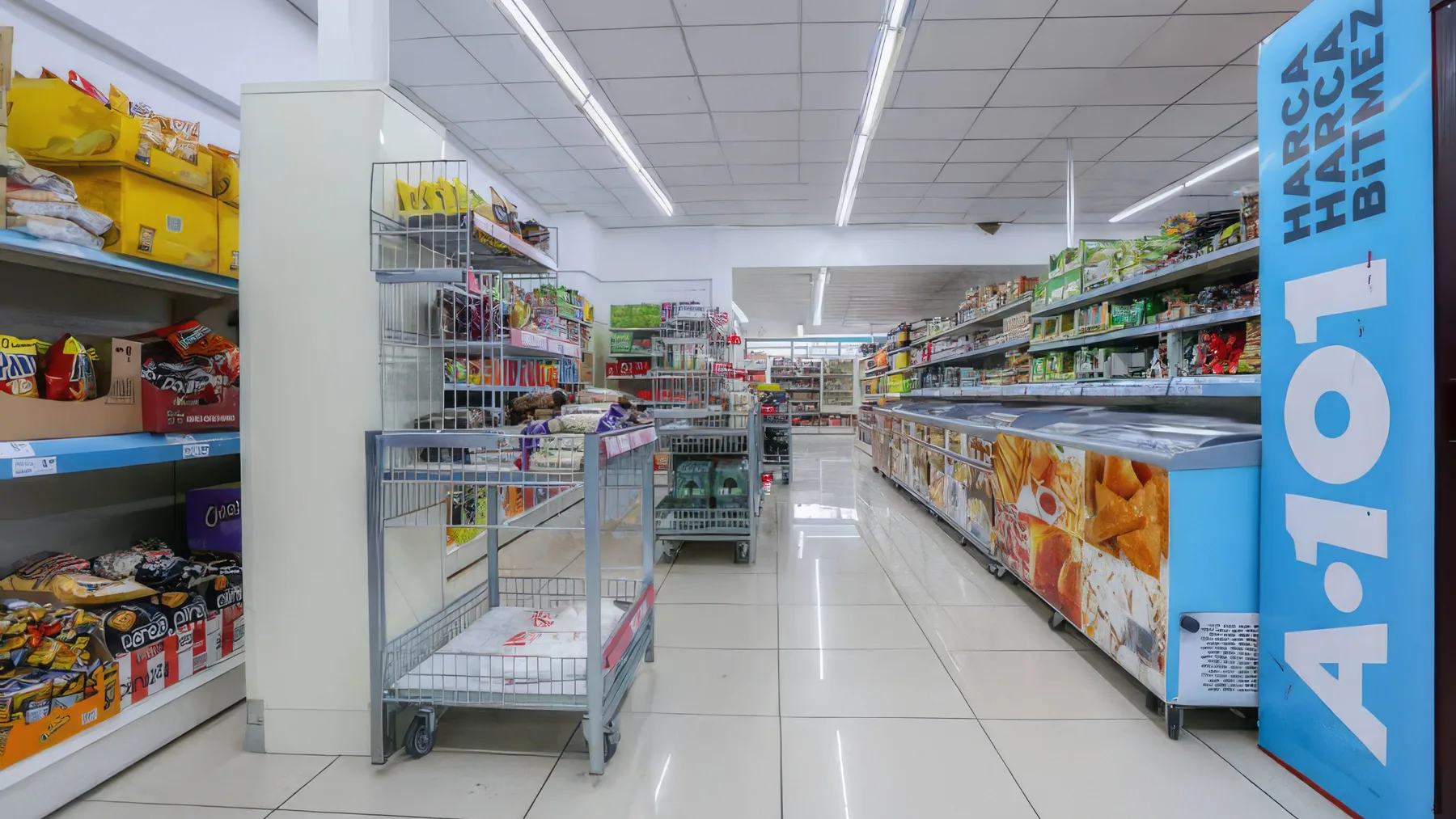
In retail, the test process cannot be as dispersed as the store network
In retail organisations with large store networks, the digital estate is not a single application. Store operations, e-commerce, campaign management and payment flows all depend on one another. When testing proceeds in fragments across that estate, it becomes invisible at management level which area has been verified and to what extent.
At A101 test processes were run manually and in a dispersed way. Regression took a long time and release cycles widened accordingly. Performance variability was affecting the customer experience and increasing the risk of churn.
The need ran in two directions: move testing into a central and automated structure, and at the same time reduce the risk of critical defects in production in a way that can be measured.
Product
We moved the test process into a central structure
End to end regression orchestration
With AutoRunner we built the entire regression process as a single flow. The execution plan was configured against the release calendar so that verification stopped being the uncertainty in front of the release decision.
Project outcome
The release cycle shortened and operating cost came down
The regression process became 80% faster. Pre-release verification stopped delaying the release calendar.
More than 1,450 hours a year were freed up. That capacity was moved out of repetitive execution and into product development.
Time to market improved and operating expenditure came down. The reduction in manual test effort translated directly into cost.
Resolving performance variability improved the customer experience. NPS rose and churn declined.
Products used in this project

AI-Powered Test Automation
AutoRunner
In this project AutoRunner built end to end regression orchestration and made test processes traceable within a central structure. Automated test case creation allowed scope to expand quickly.
Explore AutoRunner
Cloud-Based, AI-Powered Performance Testing
Loadmance
In this project Loadmance ran performance and load testing, identified the system bottlenecks affecting the customer experience and set the optimisation priorities.
Explore Loadmance