
Corendon Airlines
90% shorter regression, zero downtime on the system migration
Overview
Corendon Airlines flies to 165 destinations across 65 countries and carries six million passengers a year. Release verification on its booking and check-in flows took three days. In the work we carried out with AutoRunner and Loadmance, the regression cycle was shortened by 90% and the IBS system migration was completed without downtime.
- Company
- Corendon Airlines

- Scale
- 6M passengers a year · 32 aircraft · 165 destinations across 65 countries · approx. 1,200 employees
- Industry
- Aviation
- Products used
- AutoRunner · Loadmance
Before and after
| Measure | Before | After |
|---|---|---|
| Regression cycle | 3 days | 4-5 hours |
| Response time | 10-15 seconds | 5-7 seconds |
| Post-release defect volume | Baseline level | 90% lower |
| Test maintenance | Manual repair after interface changes | Automatic repair (self-healing) |
| IBS system migration | Unverified risk | Zero downtime, 99% success rate |
Industry need
In aviation, release verification has to fit outside selling hours
For an airline, booking and check-in are the channels through which nearly all revenue passes. Because those flows run at every hour and across every geography, there is no practical maintenance window. When release verification takes days, two consequences follow: changes accumulate into larger and riskier releases, or verification scope is narrowed and the risk moves into production.
In the same period most airlines are migrating their booking and operations platforms. These migrations are one-off and expensive to reverse. Where pre-migration and post-migration behaviour cannot be compared against the same test suite, a difference between them tends to surface only as a customer complaint, after it has already cost sales.
Corendon Airlines needed to address both at once: bring release verification down to a duration that does not intrude on selling hours, and complete the IBS migration without downtime.
Product
We took the critical passenger flows into end to end automation
Identifying the critical flows
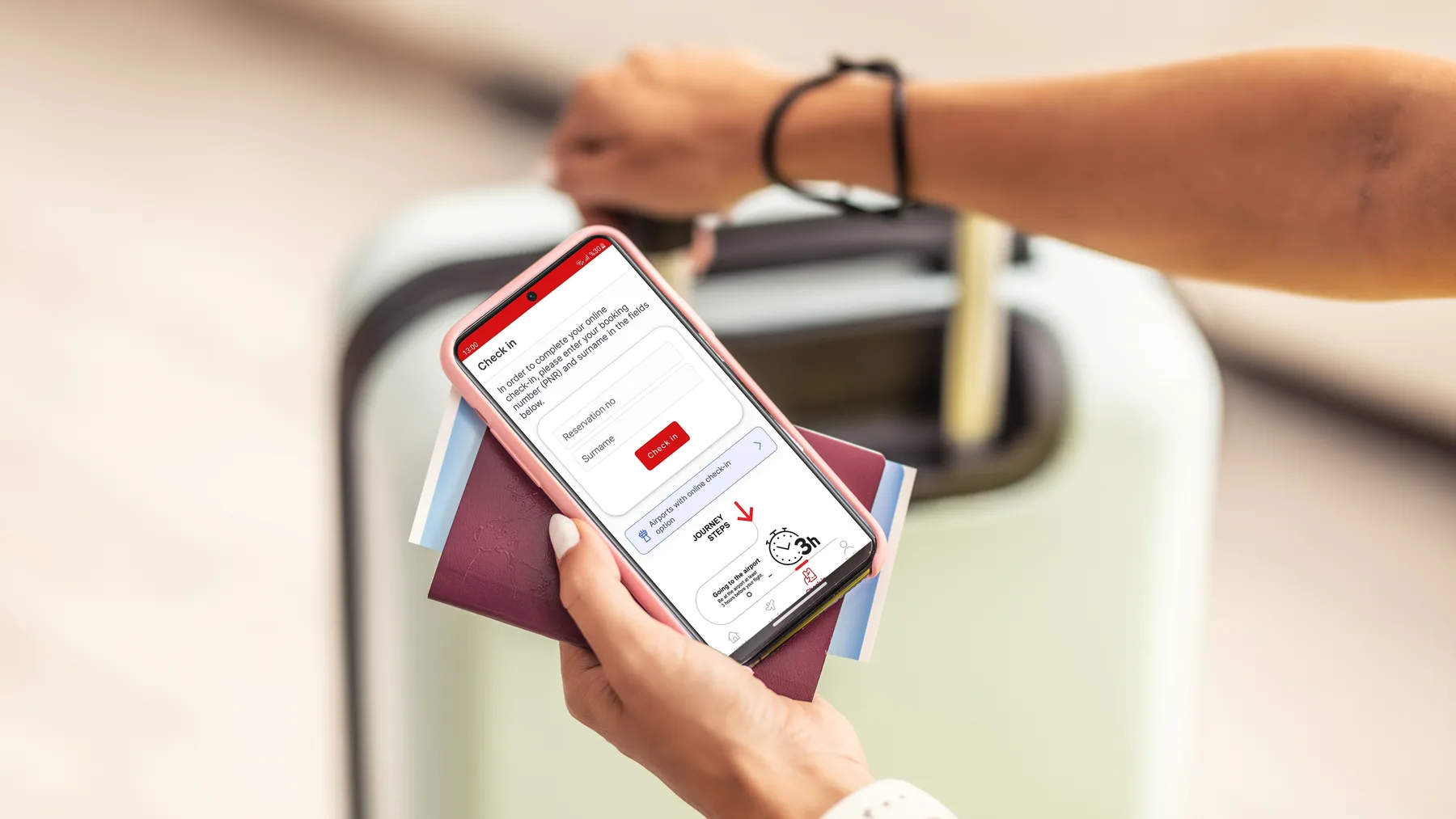
We placed Booking, Check-in, Manage Booking and Profile into priority scope. Because those four flows cover the entire passenger journey, verification scope became directly aligned with the revenue path.

Project outcome
Release verification moved from a scale of days to a scale of hours
A regression cycle that took three days came down to four or five hours. Because verification now completes within the same working day, changes can be released in small, low-risk packages instead of being accumulated.
Response times moved from a band of 10 to 15 seconds down to 5 to 7 seconds. The improvement occurred at a threshold that directly affects abandonment in the booking flow.
Post-release defect volume fell by 90%. The need for emergency corrective releases in production declined accordingly.
The IBS system migration was completed without a single minute of downtime, with a 99% success rate across migration scenarios.
Products used in this project

AI-Powered Test Automation
AutoRunner
In this project AutoRunner ran end to end automation for the Booking, Check-in, Manage Booking and Profile flows. Automatic repair of test scenarios meant maintenance effort did not slow the release cadence.
Explore AutoRunner
Cloud-Based, AI-Powered Performance Testing
Loadmance
In this project Loadmance modelled genuine airline traffic profiles and ran the load and stress testing. The system was tested with 375 concurrent users.
Explore Loadmance